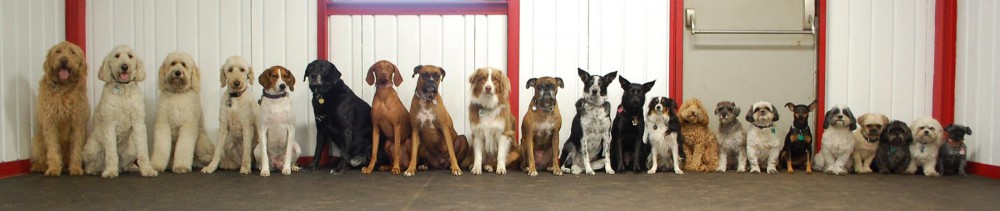
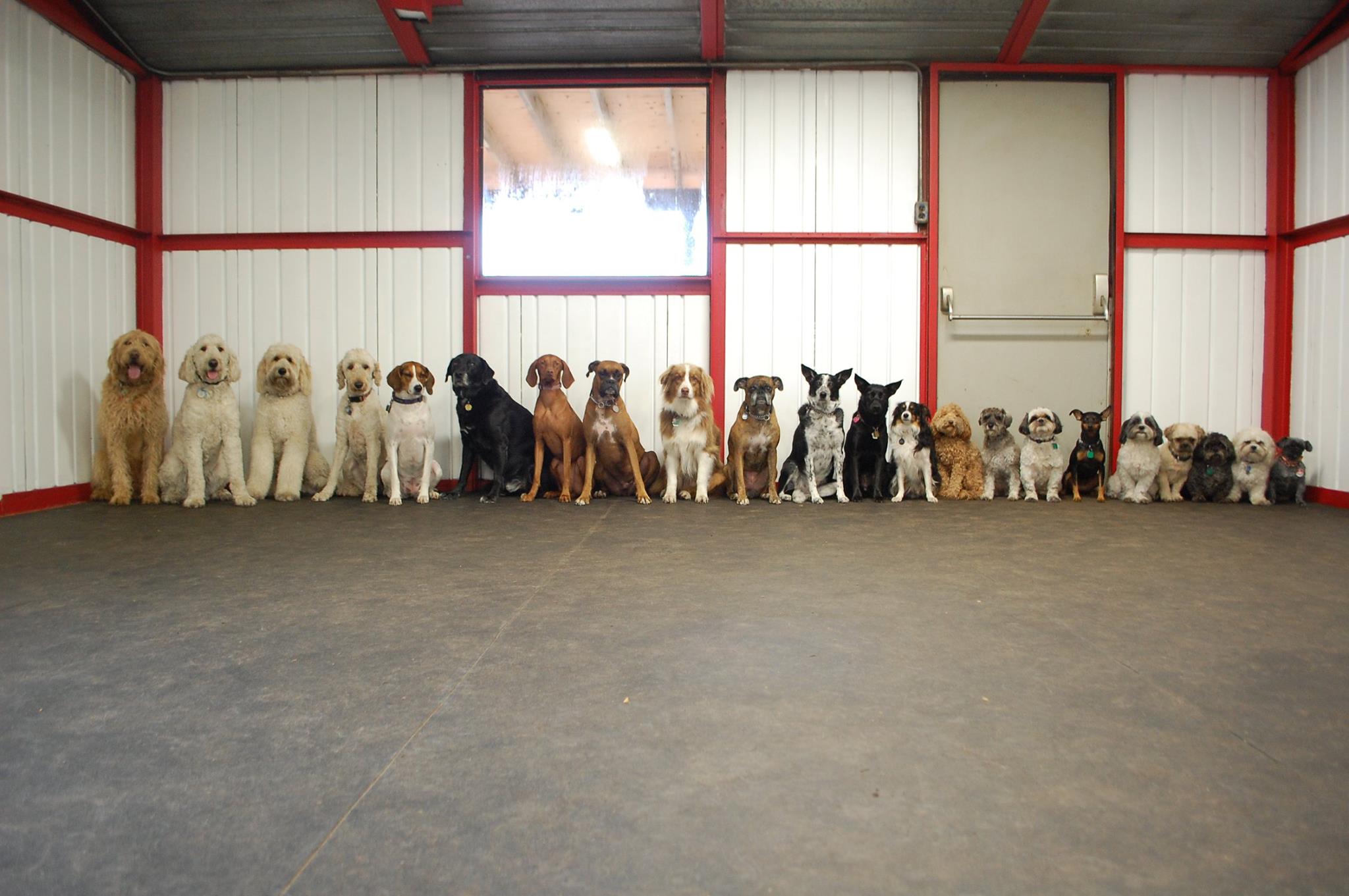
Anyone can be a so called “dog trainer.” You, your grandpa, or the crazy cat lady down the street. The truth is the industry itself is not regulated. This is a scary thought. It translates to there being no standards in how to properly educate humans to have successful relationships with their dogs. It also means any tool or technique can be used, or abused, to condition a dog.
My number one tip I’d like to share with all of you to know whether or not a trainer is actually any good is to look at their own dog. How does it behave? Is it a robot, just acting out commands? Does it know how to be calm? Is it hyper and constantly alert? Does it seem anxious or uneasy? Does it bark nonstop until it gets a reward like a treat or ball toss? Is it friendly with other dogs? Does it pull on leash? Does it actually listen to the trainer? Can the dog be good with a different handler? My point is, does the dog behave in a way that you want your dog to behave? That is the most important question.
Buye r be ware if the dog shows any problem behaviours, especially those you are trying to fix in your own dog. To me it’s even more suspicious if the dog isn’t even at a training class. As a trainer myself, Carmen (my dog) is my BIGGEST asset and a huge marketing tool. This makes it sound like I pimp my dog out, when in fact I don’t. I do take my dog everywhere with me though, especially to classes I teach, and have people comment on how social, calm and well behaved she is (notice I didn’t use the word “Obedient”). Carmen is my demo dog in showing how to do things properly. She is proof of my own training methods and consistently doing exactly what I instruct clients to do with their dogs. Think of it like this, you wouldn’t hire a fat personal trainer, or a dentist with bad teeth. You’d want someone who is truly good at what they do because they practice what they preach.
Here are 5 more tips to ensure you pick a qualified dog trainer.





 hewing it to bits. This is not a blatant screw you, but pretty much the only way they have to burn energy and at the same time sooth themselves. When this happens, take a good hard look at how little time you may be spending with your pooch. I still remember when I first got Carmen she would go through the garbage any time she felt she didn’t get a long enough walk that day. It was sad and hard for me to realize that I really shouldn’t punish her whenever she did this, instead I took her feedback and would do better the next day. Keep in mind that dogs have very few means to communicate with us. Any time you notice some bizarre or naughty behaviour, pay attention to what may have changed in your dog’s life. Did someone move out and go to college? Did your work hours change meaning you don’t walk the dog as long? Are you too tired to take the dog out at night when you get home? Your dog is speaking up to say his/her needs have not been met lately.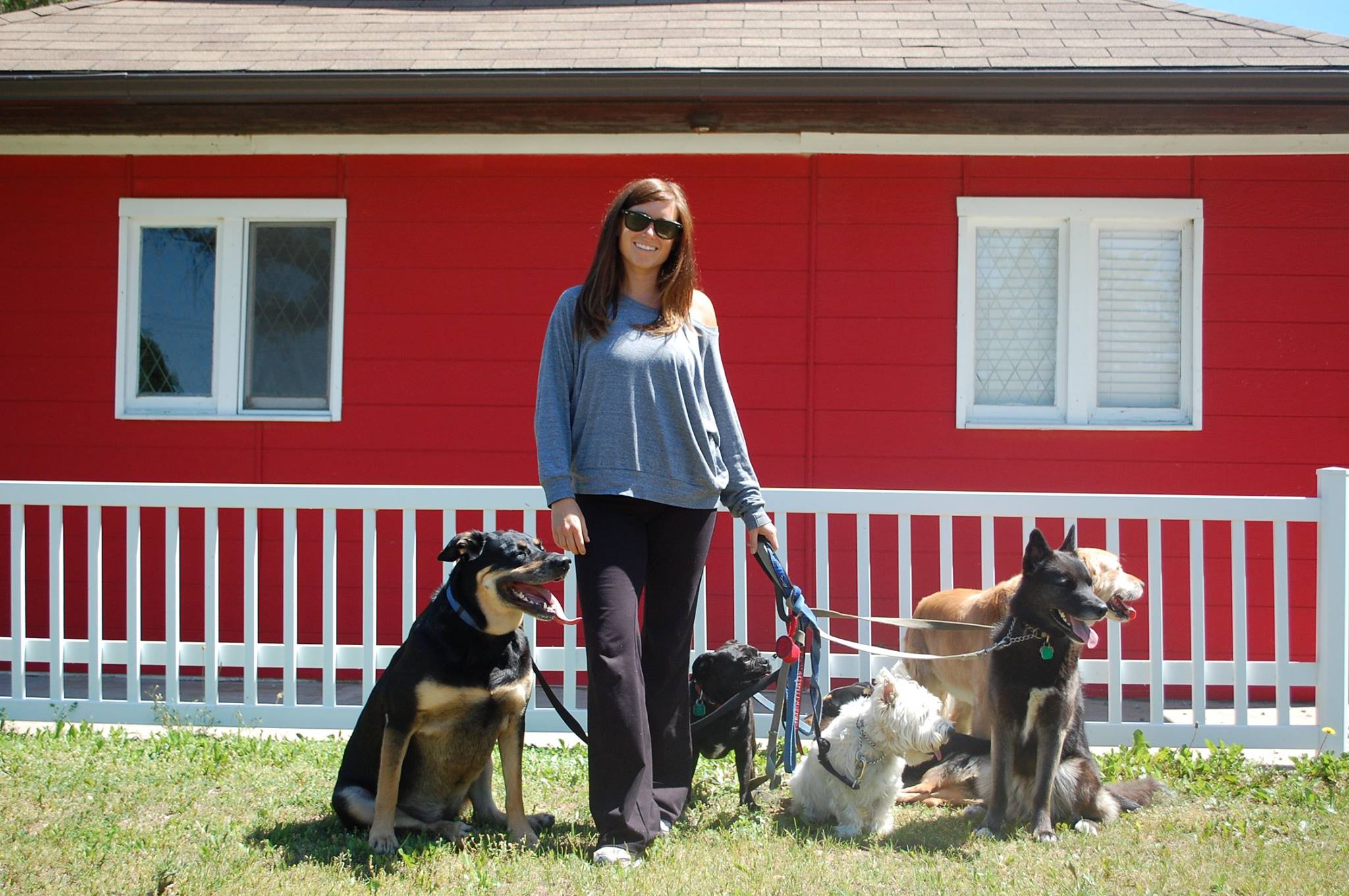

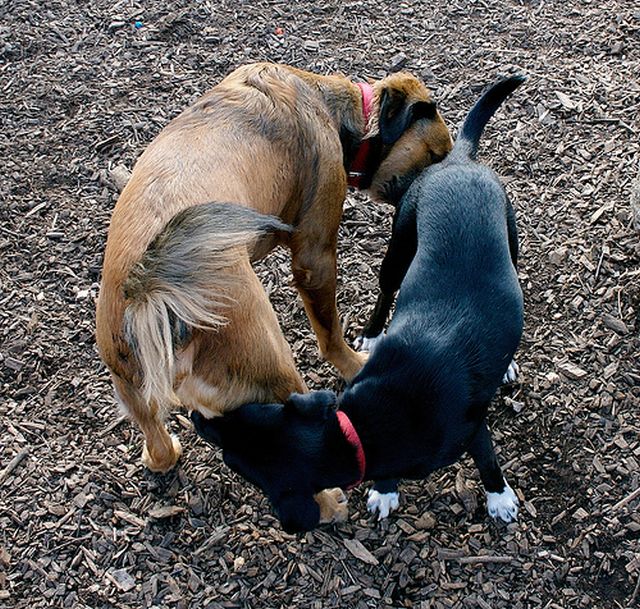
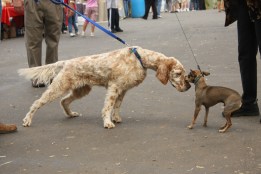 There should never be tension on the leash when dogs are face to face. When the leash is pulled tight, the dog’s body leans forward communicating to the other dog he is staring directly in the face that he wants to challenge. This is when you will get a fight between the dogs. Always keep your dog beside you to keep him out of “protector” mode and so that you can pull sideways not back to remove him from a sticky situation. If there is tension on the leash this communicates to your dog that you are tense so his natural reaction will be to protect. Relax and your dog will too.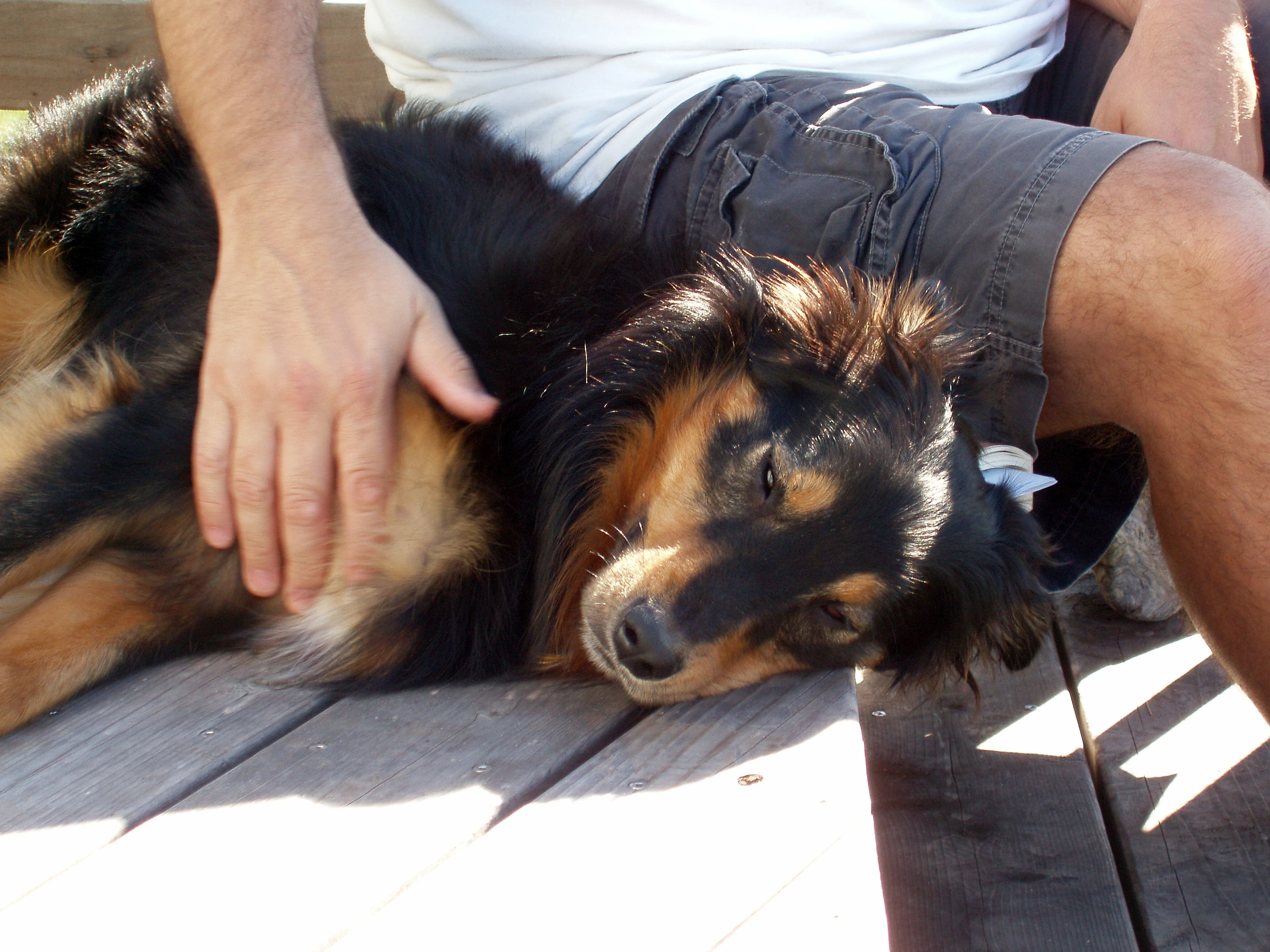
 MyDogPhilosophy.com