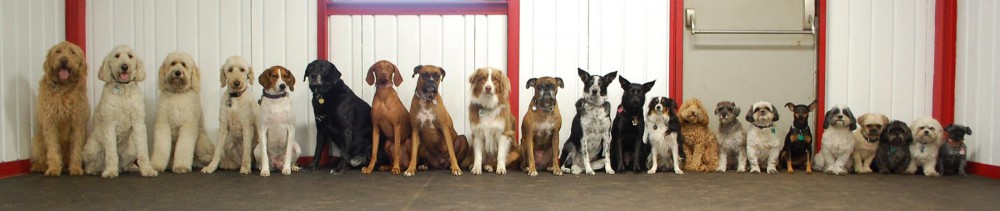

It’s Monday morning and after a lovely weekend together you are running late for work so you quickly give the dog a 10 minute jog around the block, feed him and tell him “mommy will be back soon” while giving him lots of hugs and kisses as he jumps up, spins in circles, and tries to squeeze through the door with you. Sound like your morning?
By far the most common issue among my clients is separation anxiety. This problem behaviour can develop at any time with dogs and can be tricky to fix. Issues like aggression can often be remedied faster than separation anxiety, which can be deep routed.
So why do some dogs develop this anxiety? There are several reasons but a main one is that it is unnatural for pack members to just up and leave on their own. Dogs in the wild migrate together and don’t just venture off independently. We typically worsen this already foreign behaviour by making a big production of leaving in the first place. We caudal and baby talk to our pets right before leaving not recognizing that the dog is already in a stressed state of mind. We rarely tire out our pups before leaving and almost never make sure they are relaxed once we go. Instead we blow kisses and pour affection onto our dogs when they are already anxious therefore rewarding the behaviour. What’s worse is we do the exact same when we return home. A dog who has not been properly exercised and is left in a stressed state will of course try to release some frustration by chewing baseboards or singing a song that never ends for your neighbours.

Here are my 7 helpful tips on what you can do to help curb your dog’s separation anxiety.
- Make sure your dog sees you as the pack leader. A dog who thinks he is in charge will be stressed when pack members are out of sight because he feels out of control. He worries that he cannot protect and provide guidance which leads to him act out. You and everyone in your family need to be the pack leader. Kids actually make great pack leaders as they don’t over think things and act instinctually.
- Exercise your dog well before leaving. Guess what? A 10-15 minute walk around the block doesn’t work. Take your dog somewhere new and take 45 mintes to an hour to truly work them out. Imagine being locked up all day with nothing to do when you are programmed to work. You’d get pretty bored and anxious too. Give your dog something fulfilling and fun to then leave them tired afterwards. Save the 15 minute walk for when you return.
- Feed your dog before you step out. After dogs eat they need to rest in order to digest. This is a natural way to help them into a calm state before you go as they will tire and sleep while you are gone (assuming you already fulfilled their exercise requirements)
- Make sure your dog is calm when you go. Putting your dog on his bed or better yet in a crate in a calm state will make leaving a breeze. They’ll be asleep and forgot you even left in no time. Do not rush this step, make sure the dog is fully calm and not just lying down.
- Desensitize your dog to things like grabbing your keys or putting on your shoes. Carry your keys around with you and jingle them and put shoes and a coat on 20 minutes before actually heading out.
- Do not make leaving and arriving home a dramatic occurrence. Remember Cesar Millan’s rules: No touch, no talk, no eye contact. Just act as if all is good and calmly leave. When you come home wait until your dog is calm and settled to show affection. If you build up emotions about coming and going your dog will always be stressed about it.
- Resist the urge to get another dog to keep yours company while you are gone. Chances are the new dog will develop the same separation anxiety and now you’ll just have 2 dogs destroying your house. Any time you have problem behaviours with a dog it is never ideal to add a new pack member until those issues have been resolved. Putting that stress on another dog is not fair and it is unlikely either dog will achieve balance.
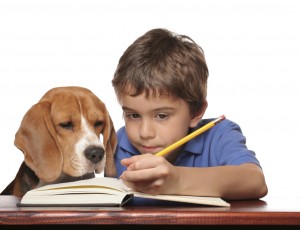
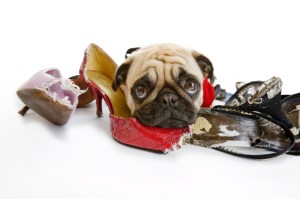 hewing it to bits. This is not a blatant screw you, but pretty much the only way they have to burn energy and at the same time sooth themselves. When this happens, take a good hard look at how little time you may be spending with your pooch. I still remember when I first got Carmen she would go through the garbage any time she felt she didn’t get a long enough walk that day. It was sad and hard for me to realize that I really shouldn’t punish her whenever she did this, instead I took her feedback and would do better the next day. Keep in mind that dogs have very few means to communicate with us. Any time you notice some bizarre or naughty behaviour, pay attention to what may have changed in your dog’s life. Did someone move out and go to college? Did your work hours change meaning you don’t walk the dog as long? Are you too tired to take the dog out at night when you get home? Your dog is speaking up to say his/her needs have not been met lately.
 MyDogPhilosophy.com